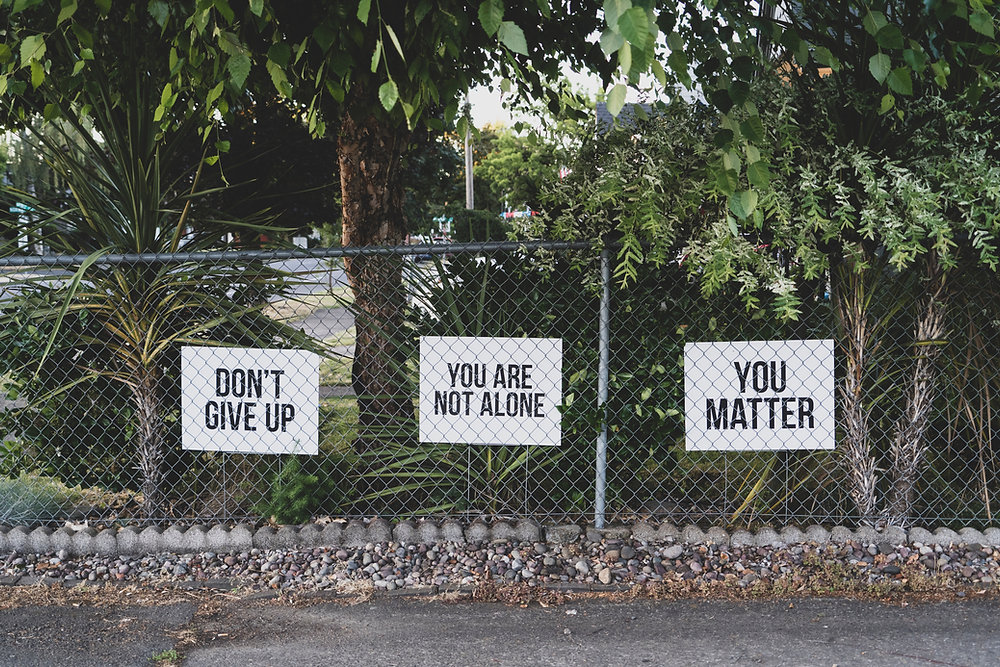
Mental health matters too. While taking care of our physical health is really important, the connection between our mental and physical health is something we can’t deny. Or ignore. They are so intertwined, but often we just focus on our physical health or outward appearance and forget about how important it is to care for our mental health too. Mental health conditions often aren’t visible to others. Many of us silently struggle with our mental health, likely more people than we realize. Which makes it that much more important that we talk about it.
Did you know that September is National Suicide Prevention and Awareness month? According to the Centers for Disease Control and Prevention, suicide was the leading cause of death in the United States in 2020. Nearly 46,000 died of suicide in 2020, which was 30% higher than it was in 2000. And 12.2 million people considered it. We must keep having the conversation about mental health and suicide prevention. It matters. You matter.
Lifestyle and behavior changes can have a big impact on our mental health. Some things that can positively impact our mental health and mood include:
1. Daily movement or exercise. Think about activities you enjoy and that make you feel good. Daily movement won’t always be easy or fun. And we won’t always want to exercise. But if we find something we enjoy, it can help make those more challenging days just a little easier to get through. Remember to start small if you need to and focus on just 10 minutes per day if you’re new to exercise. The goal should be 30 minutes of moderate intensity activity at least 3-5 days per week.
2. Setting goals that are specific, measurable, achievable, realistic and timely. Choose 1-2 per month if you’re just starting out. Once you feel comfortable with a goal and are staying consistent, build on it and add in another one. Goals don’t always have to be big or scary. Setting small goals helps us build confidence so we feel more equipped to tackle the bigger ones. Those small goals are just as important as the big ones and are sometimes still quite scary! But you can do it!
3. Eating a more plant based diet, focusing on whole grains, legumes like beans and nuts, fruits and vegetables. Make sure you’re not skipping meals. Opt for eating less dairy and meat overall and avoid processed sugars, processed foods, and soda as much as possible. Be sure you’re drinking enough water, the goal being about half of your body weight in ounces of water. And don’t forget about mindful eating. We’ll talk more about that next week : ).
4. Getting adequate sleep and rest. An adult should be getting 7-8 hours of sleep per night. Teenagers and adolescents should be getting 8-10 hours. Getting adequate sleep improves our mood and overall well being. Lack of sleep can worsen anxiety and depression symptoms, in addition to increasing our risk for diabetes, heart disease, obesity. Lack of sleep causes memory and attention impairments, as well as irritability and mood swings too.
5. Being present and mindful of this moment. Avoid self medicating with substances, like cigarettes, vape, alcohol or other illegal drugs. It’s hard to be mindful of the moment we are in and present with those who we love when we are self medicating or engaging in risky behaviors.
6. Staying calm and having a personal stress plan when life gets overwhelming. Life will get overwhelming and hard. There’s no avoiding that. So it’s important to have a plan in place to help us manage those stressful and overwhelming times. Learn some new coping skills, like listening to music, meditation, drawing, walking, or breathwork if you can.
7. Improving social connections with people. Make plans to spend time with the people you love and care about. Do things you enjoy together! Let your loved ones know you need help when you need it and don’t feel bad or guilty for asking for that help. Try not to isolate yourself. And limit that screen time and know that too much social media can worsen your mood. In person time is quality time is preferred.
And remember that if you’re struggling with your mental health, you aren’t alone. There are many resources and tools available to help, including medication, therapy, books, lifestyle and behavior modifications and more. We’re all different and sometimes it takes time to find the right tools that work for you. Please consult with a medical professional if your mood isn’t improving with lifestyle modifications alone. Know that Empowered Mind and Body LLC is here to help. And please, if you or someone you know is having thoughts or are considering suicide, please call the Suicide and Crisis Lifeline at 988. They are also here to help.